10 Big Mistakes That Wear Out Your Electric Vehicle Battery

10 Major Mistakes That Damage Your Electric Vehicle Battery
The most critical mistakes electric vehicle owners should avoid to extend battery life, maintain range, and establish safe charging habits.
Owning an electric vehicle is not just about "charging and driving." Your car's most valuable component, the battery, is directly affected by your daily usage habits.
Incorrect charging routines, poor electrical infrastructure, constantly keeping the battery fully charged, or using unsuitable equipment can negatively impact battery health over time.
In this article, WiseCar explains 10 major mistakes that damage electric vehicle batteries in a simple, clear, and actionable way.
Quick Summary: What Damages Your Battery the Most?
Overcharging, over-discharging, high temperatures, unsafe electrical infrastructure, and incorrect charger selection can negatively impact battery health.
| Mistake | Effect on Battery | What You Should Do | WiseCar Solution Area |
|---|---|---|---|
| Constantly charging to 100% | Can increase cell stress | For daily use, prefer the 80-90% range | Regular AC charging routine |
| Draining the battery to 0% | Can create risk of deep discharge | Don't leave it at very low levels | Planned home charging |
| Using substandard electrical installation | Can create safety risks | Get expert installation | WiseCar installation service |
| Choosing the wrong device | Can decrease usage comfort | Choose a model based on your power and usage type | WTP1, WTP2, WTP3, WTA, WTL |
| Constantly using fast charging | Can strain the battery in the long term | For daily use, prefer AC home charging | WiseCar AC chargers |
1. Constantly Leaving it at 100% Charge
One of the most common mistakes electric vehicle users make is charging the vehicle to 100% at every opportunity. It sounds logical: "The fuller, the better." However, with batteries, things don't always work that way.
Lithium-ion batteries can experience more stress when kept at full charge for extended periods. For daily use, the 80-90% range is a healthier routine for most users.
WiseCar recommendation: Establishing a regular charging habit at home reduces the need to panic-charge to 100% every day. So, it's not just about the device, but about creating a regular charging culture.
2. Constantly Draining the Battery to 0%
Frequently draining the battery to very low levels is also not a healthy habit. Constantly using your vehicle "down to the last percent" can create a more stressful scenario for the battery management system.
The worst feeling in an electric car is: "Will it be enough to get home?"
To avoid this psychological pressure, it's more sensible to charge the battery before it drops to very low levels.
3. Leaving it Parked for Extended Periods in Extremely Hot Weather
High temperatures are one of the biggest enemies of lithium-ion batteries. In summer months, battery temperatures can rise significantly in vehicles parked under the sun for long periods.
If possible, try to park your vehicle in shaded areas, covered parking, or cooler spots.
4. Not Preparing for Charging in Cold Weather
At low temperatures, the chemical structure of the battery works slower. Therefore, especially in winter, bringing the car's battery closer to operating temperature by driving or preheating can ensure more efficient charging.
5. Using Substandard Electrical Installation
This is very critical. Because users generally think: "If there's an outlet, I'll charge it." But electric vehicle charging is not like charging a phone.
Electric vehicles draw high power for extended periods. Therefore, cable cross-section, fuses, residual current protection, panel layout, and connection quality are of serious importance.
- Overheating
- Voltage fluctuations
- Charging interruptions
- Blown fuses
- Decreased device performance
- Safety risk
Safe Installation with WiseCar Installation Service
For your electric vehicle charger to work efficiently and safely, proper electrical infrastructure is very important. With WiseCar's installation service, you can entrust your installation process to an expert team.
Explore Installation Service6. Choosing the Wrong Charger
One of the most common mistakes in electric vehicle charging is choosing a device that is not suitable for the car's and home's electrical infrastructure. The same device is not recommended for every user. The correct choice should be made based on the usage location, phase infrastructure, required power, and portability expectations.
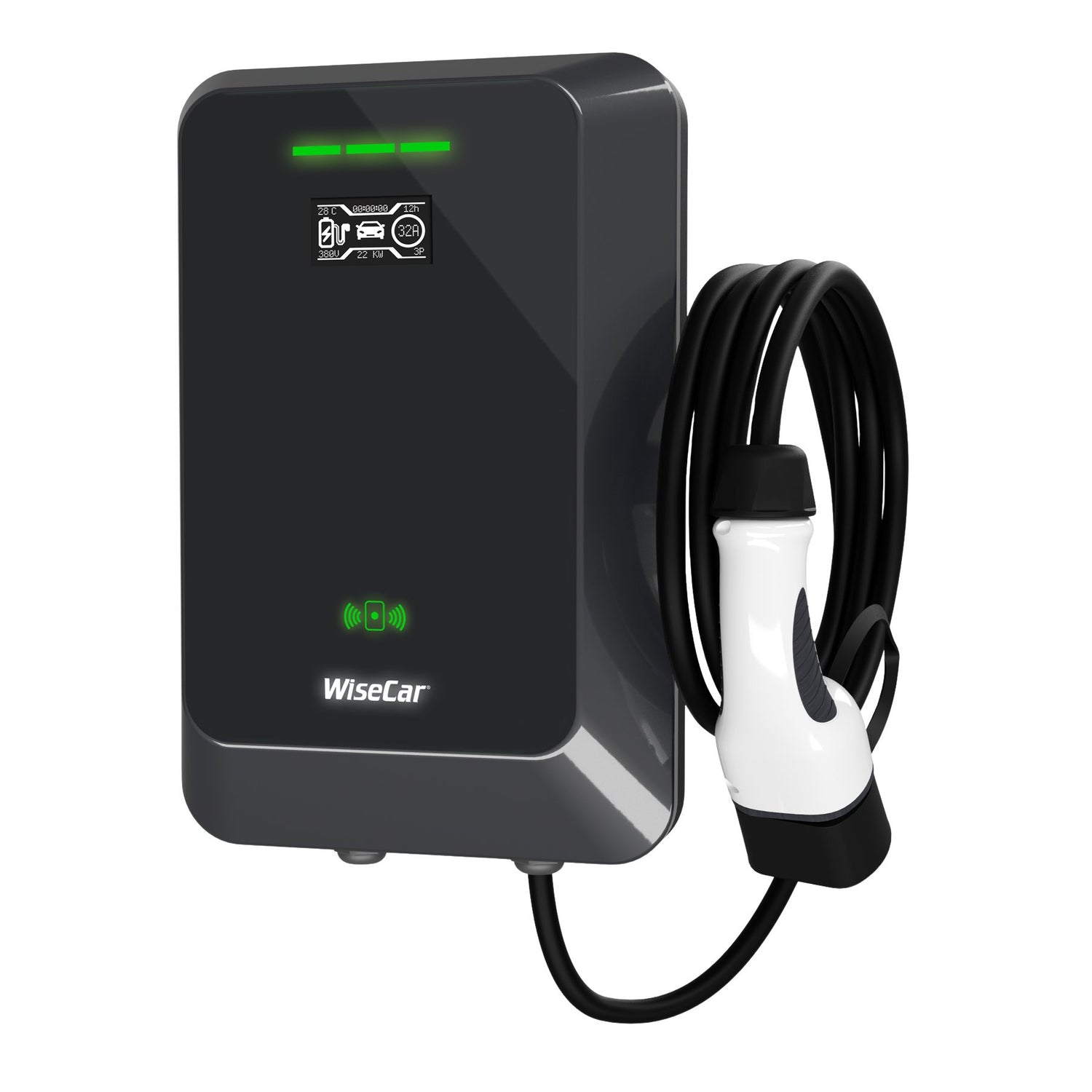
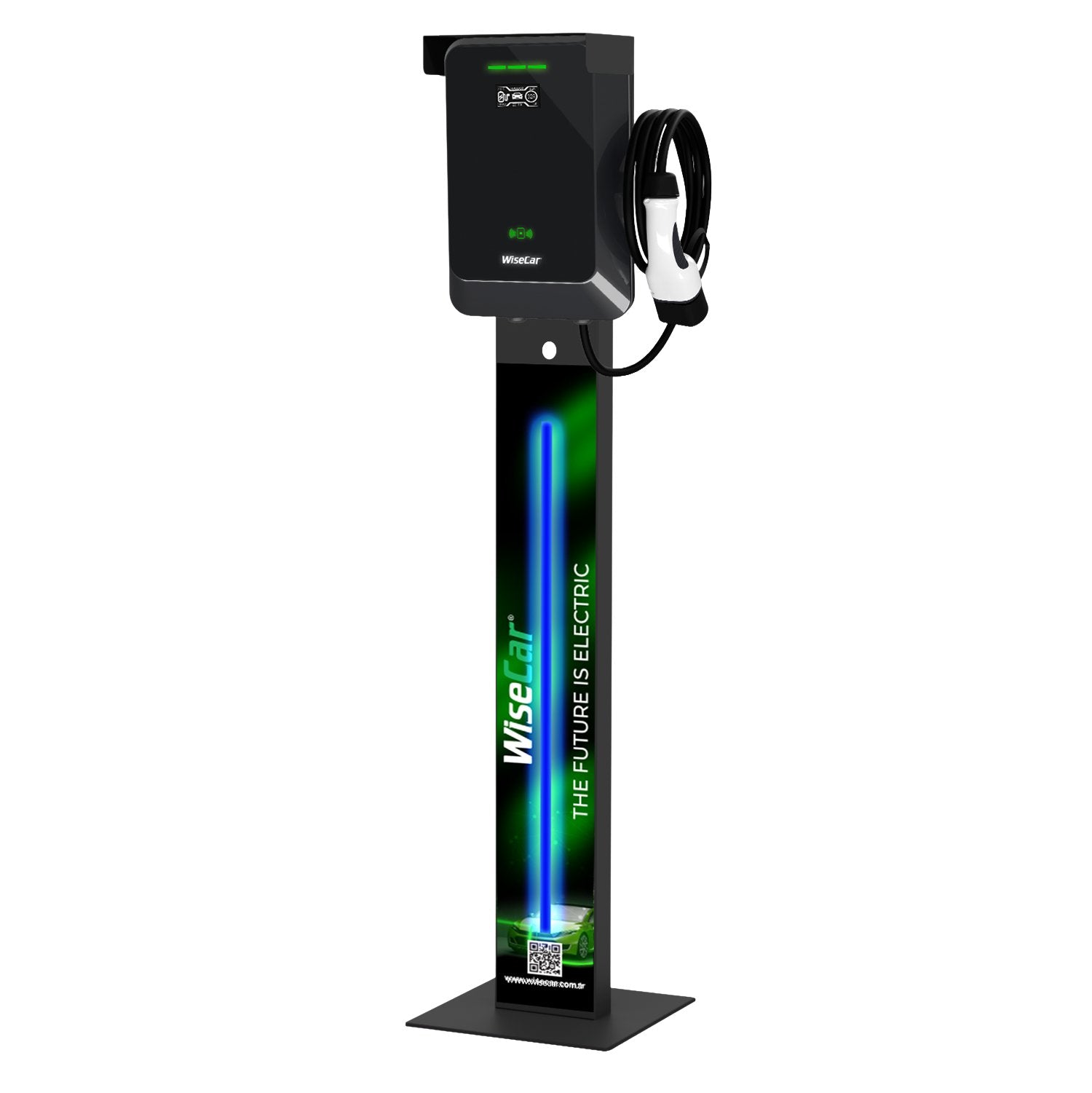
WiseCar model recommendation: If a portable charger is preferred, WiseCar WTP3 for general portable use, WiseCar WTP2 for portable 7 kW use, and WiseCar WTP1 for portable 3.5 kW use can be chosen. For users who want a wall-mounted solution, WiseCar WTA or WiseCar WTL is a better option.
Choose the Right WiseCar Model for Your Usage
For portable use, the WTP series; for fixed, wall-mounted, and premium use, WTA or WTL models can be preferred.
Explore WTP3 PortableExplore WTP2 7 kWExplore WTP1 3.5 kWWTA Wall-mountedWTL Wall-mounted7. Leaving the Charger Unprotected Outdoors
If the charger will be used outdoors, it must be protected against rain, dust, sun, impact, and environmental factors. Especially in areas like villas, open car parks, residential complex gardens, or workplaces, positioning the charger in a proper panel or protective box is a more professional solution.
IP65 Protection Panel for Outdoor Use
You can choose WiseCar IP65 protection panels to use your charger more orderly and protected against outdoor conditions.
Explore 40x60 IP65 PanelSee 50x70 IP65 Panel8. Constantly Using DC Fast Charging
Fast charging is a great convenience. It's a lifesaver on long journeys. But relying on DC fast charging constantly for daily use can create more heat and stress on the battery.
That's why many electric vehicle users meet their daily charging needs with AC charging at home, and use fast charging mostly for long journeys and emergencies.
9. Leaving the Battery Fully Charged if the Vehicle Won't Be Used for a Long Time
If you won't be using your vehicle for weeks or months, leaving the battery at 100% is not an ideal choice. For long-term storage, moderate charge levels may be healthier.
10. Not Monitoring Battery Health
Many drivers focus only on range and forget to monitor battery health. However, drops in range, changes in charging time, or unusual heating can be early warning signs.
Which WiseCar Solution is More Sensible for Which Use Case?
| Usage Type | Recommended WiseCar Model | Why? |
|---|---|---|
| General portable use | WiseCar WTP3 | Powerful and flexible solution for portable use |
| Portable 7 kW use | WiseCar WTP2 | 7.4 kW and 3.5 kW flexible use |
| Portable 3.5 kW use | WiseCar WTP1 | Portable solution suitable for household outlets |
| Wall-mounted premium use | WiseCar WTA or WiseCar WTL | Fixed, professional, and smart charging experience |
| Installation support | WiseCar Installation Service | Safe installation with an expert team |
Conclusion: Protecting Your Battery Starts with Correct Charging Habits
Electric vehicle batteries can deliver high performance for many years with proper use. Charging habits, temperature conditions, electrical infrastructure, and the equipment used directly affect battery health.
Reliable electrical infrastructure and the correct WiseCar model selection can help make daily charging processes safer and more controlled.
Protect Your Battery, Choose the Right WiseCar Model
Discover the WTP series for portable use, or the WTA or WTL models for wall-mounted premium use.
Explore WiseCar Products