Why Does Range Decrease in Electric Vehicles in Winter?

Why Does EV Range Decrease in Winter?
Cold weather, battery chemistry, heating systems, and driving habits can directly affect the range of electric vehicles in winter.
One of the most common questions electric vehicle users ask in winter is: "My car had a longer range in summer; why has it decreased in winter?"
This is often normal. Electric vehicle batteries, like phone batteries, are affected by temperature changes. In cold weather, the battery operates more slowly, cabin heating consumes more energy, and road conditions can increase consumption.
As WiseCar, in this article, we simply explain the reasons for range reduction in electric vehicles in winter, practical measures drivers can take, and why choosing the right WiseCar model is important in winter.
Short Answer: Why Does Range Decrease in Winter?
Cold weather can reduce battery efficiency, the heating system consumes more energy, tire pressure can decrease, and driving resistance can increase. Therefore, electric vehicles may consume more energy in winter than in summer.
Is Winter Range Loss Normal?
Yes, winter range loss in electric vehicles is normal in most cases. What's important here is not whether the vehicle is faulty, but the extent of the range reduction and the operating conditions.
In very cold weather, for short-distance urban use, in frequent stop-and-go traffic, and with intensive use of climate control/heating, consumption can increase. This causes the estimated range displayed on the screen to decrease.
| Reason | Effect on Range | What Can Be Done? |
|---|---|---|
| Cold battery | Energy efficiency may decrease | Preheat the vehicle while charging |
| Cabin heating | Consumes additional energy | Prefer seat/steering wheel heating |
| Low tire pressure | Rolling resistance increases | Check tire pressure regularly |
| Short-distance driving | Vehicle constantly tries to warm up | If possible, plan usage |
| High speed | Increases consumption | Drive at a more consistent speed |
1. Batteries Operate More Slowly in Cold Weather
Chemical reactions in electric vehicle batteries vary with temperature. When the weather gets cold, the chemical processes inside the battery can slow down. This can lead to less efficient use of the energy drawn from the battery.
Therefore, the range displayed on the vehicle's screen in winter may be lower than in summer. This does not always mean the battery is faulty.
Winter range reduction is often a natural consequence of cold weather, not a malfunction.
2. Cabin Heating Consumes More Energy
In internal combustion vehicles, engine heat can be used to heat the cabin. In electric vehicles, cabin heating draws energy from the battery.
Continuously running the climate control at high temperatures in winter, especially for short distances, can significantly increase consumption.
Practical tip: Instead of constantly using cabin heating at the highest level, opting for more targeted heating systems like seat heating and steering wheel heating can help reduce energy consumption.
3. Pre-heating While Charging Provides a Great Advantage
One of the smartest ways to use an electric vehicle in winter is to pre-heat it while it's charging before setting off.
This way, the vehicle's cabin and, in some models, the battery reach a more suitable temperature before hitting the road. If this is done while the charger is connected, energy can be supplied directly from the grid instead of being drawn from the battery.
Choose the Right WiseCar Model for Winter Months
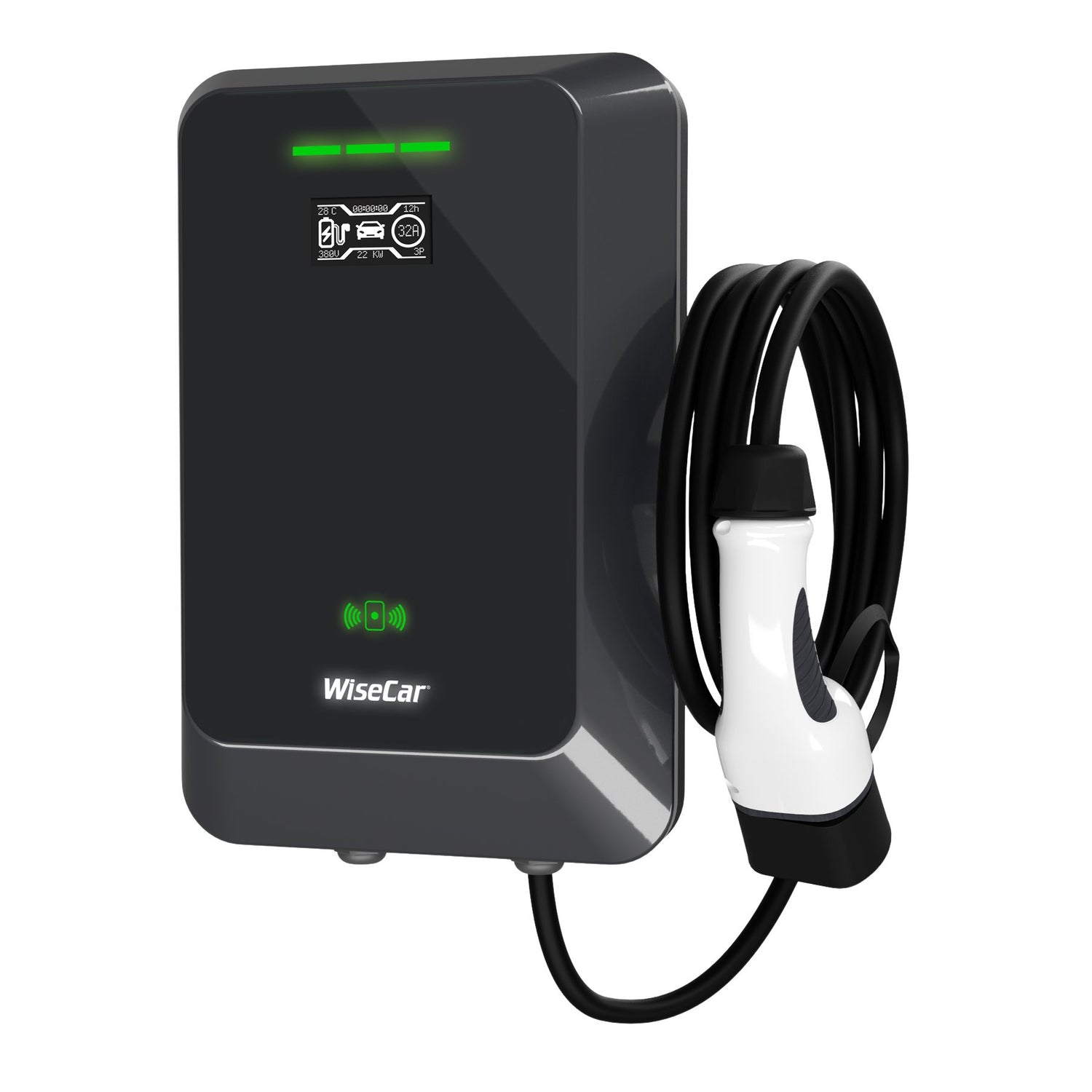
Charging your car at home overnight and pre-heating it before you leave in the morning ensures a more comfortable and planned use in winter. For portable use, the WTP series; for fixed and wall-mounted use, WTA or WTL models can be considered.
Review WTP3 PortableReview WTA Wall-MountedReview WTL Wall-Mounted4. Consumption May Appear Higher for Short-Distance Use
In winter, during short-distance drives, the vehicle tries to heat the cabin with every use. This can increase energy consumption per kilometer.
For example, in a 5-kilometer drive, the heating system can constitute a significant portion of the total consumption. For longer drives, consumption can become more balanced after the vehicle reaches operating temperature.
5. Tire Pressure and Road Conditions Also Affect Range
In cold weather, tire pressure can decrease. Low tire pressure, in turn, increases rolling resistance, causing the vehicle to consume more energy.
Additionally, snow, rain, wind, and wet roads can also affect range. When calculating winter range, it is necessary to consider not only the battery but also road conditions.
6. High Speed Reduces Winter Range More Quickly
In electric vehicles, high speed increases consumption in all seasons. However, in winter, when cold weather, heating needs, and road conditions are added, the effect of high speed can be felt more prominently.
Especially driving at a constant high speed on the highway can cause the range to decrease faster than expected. Driving at a more consistent speed yields more efficient results in winter.
7. 8 Practical Tips to Preserve Range in Winter
- Park the vehicle in a closed or sheltered area if possible.
- Preheat the vehicle while it's charging before setting off.
- Use seat and steering wheel heating more actively.
- Check tire pressure regularly.
- Avoid very high speeds.
- Try not to leave the battery at very low levels.
- Establish a regular home charging routine for daily use.
- Ensure your charging equipment and electrical infrastructure are safe.
Create a Winter-Ready Charging Area
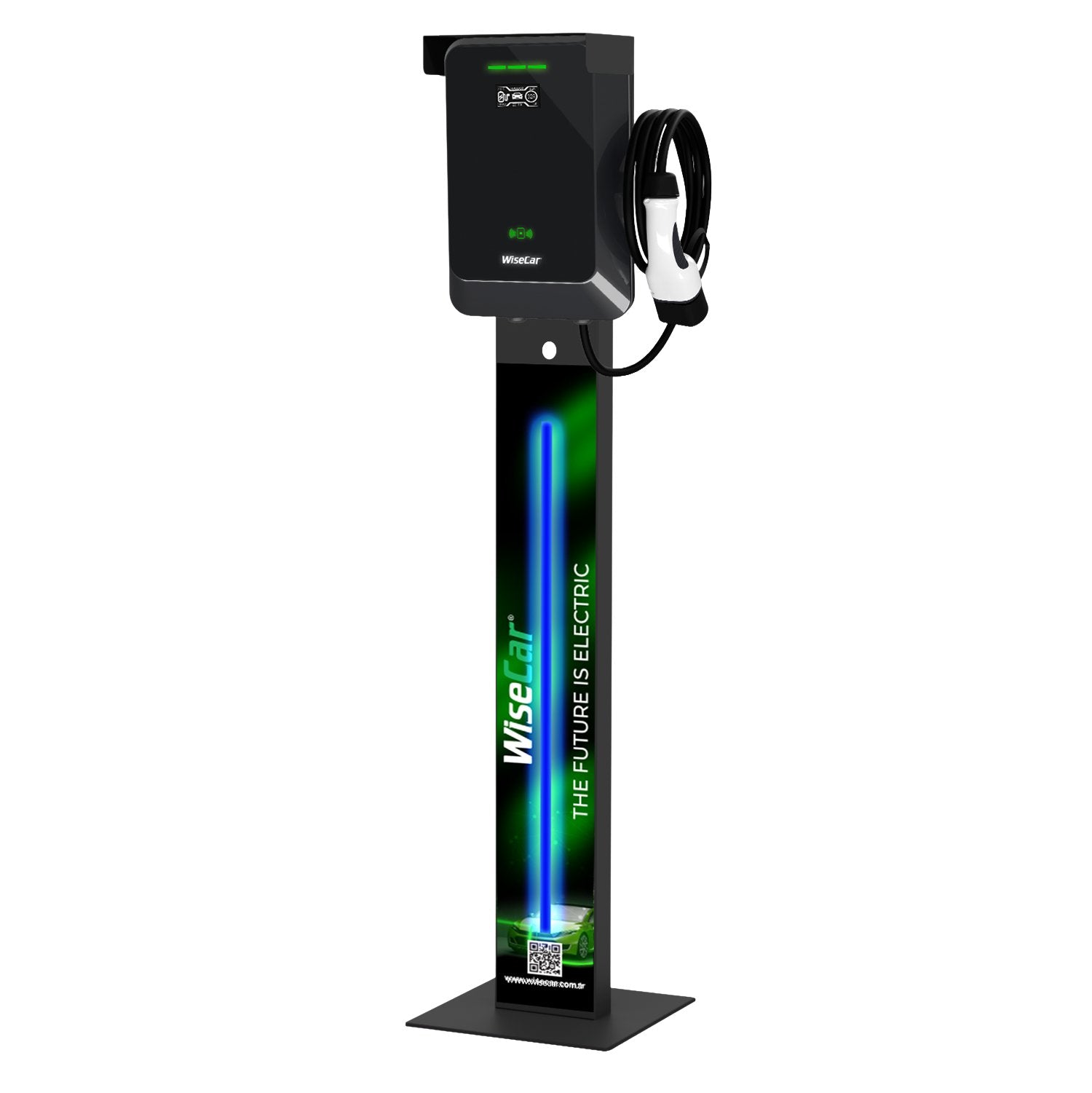
For outdoor charging devices, a protective panel, cable management, and proper installation provide more organized use in winter.
IP65 Protection PanelSee Cable Holder8. Why is Home Charging More Important in Winter?
When using an electric vehicle in winter, planning is much more important. Having the vehicle ready before going to work in the morning, returning home in the evening, or embarking on a long journey provides great comfort.
Users with an AC charger at home can charge their vehicles safely and regularly overnight, enjoying a more ready-to-use experience in the morning.
This not only reduces range anxiety but also creates a more comfortable electric vehicle habit for daily use.
Which WiseCar Solution for Which User?
| User Type | Recommended WiseCar Model | Advantage |
|---|---|---|
| Those who want portable general use | WiseCar WTP3 | Powerful and flexible portable use |
| Those who want portable 7 kW use | WiseCar WTP2 | 7.4 kW and 3.5 kW flexible use |
| Those who want portable 3.5 kW use | WiseCar WTP1 | Portable solution suitable for household socket use |
| Those who want wall-mounted fixed use | WiseCar WTA or WiseCar WTL | Fixed, professional and smart charging experience |
| Those who want professional installation support | WiseCar Installation Service | Safe installation with expert team |
Frequently Asked Questions
How much does EV range decrease in winter?
This rate varies depending on the vehicle model, air temperature, driving style, tires, and heating use. It is normal to experience a decrease in range in cold weather.
Do electric vehicles need to be 100% charged in winter?
A full charge can be preferred if you are going on a long journey. For daily use, manufacturer recommendations should be considered, and the battery should not be left at 100% for unnecessarily long periods.
Does home charging offer an advantage in winter?
Yes. A regular home charging routine helps the vehicle be more ready in the morning and reduces range anxiety. Being able to pre-heat while charging is also a significant comfort advantage.
Is fast charging slower in cold weather?
In some vehicles, charging speed may decrease when the battery is very cold. Once the vehicle brings the battery temperature to an appropriate level, charging performance can become more stable.
Conclusion: Winter Range Decrease is Manageable
It is often normal for the range of electric vehicles to decrease in winter. What's important is to be aware of this, adopt the right habits, and adjust your charging routine accordingly.
Pre-heating the vehicle while charging, checking tire pressure, avoiding high speeds, and establishing a regular home charging routine ensure more efficient use in winter.
Establish Your Winter-Ready Charging Routine with WiseCar
Discover the WTP series for portable use, or the WTA or WTL models for fixed wall-mounted use.
Explore WiseCar Products